Introduction: Heightened Tensions in a War-Torn Region
In one of the most intense escalations of the ongoing Russia-Ukraine conflict, Russia launched its largest combined aerial assault since its full-scale invasion began in February 2022. Over a 24-hour period from late May 24 to early May 25, Russian forces unleashed an unprecedented barrage of 367 drones and missiles targeting multiple regions across Ukraine, killing at least 13 civilians and injuring dozens more. The attacks marked a significant escalation in Moscow’s military campaign, prompting sharp international reactions, renewed diplomatic efforts, and a flurry of political statements — including a striking rebuke from former U.S. President Donald Trump.
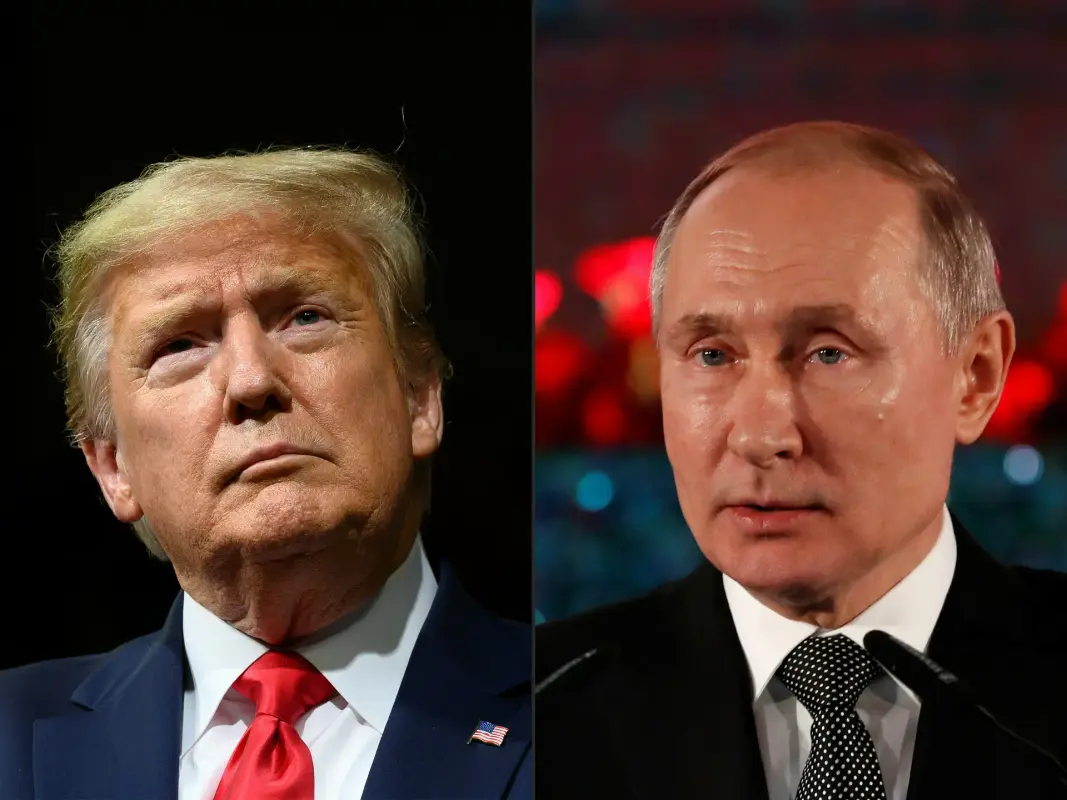
On social media platform Truth Social, Trump described Russian President Vladimir Putin as “absolutely crazy” in reaction to the violence. The Kremlin, through spokesperson Dmitry Peskov, dismissed Trump’s comments as the product of “emotional overload,” while also paradoxically thanking the former U.S. president for his involvement in facilitating peace negotiations.
This article explores the multilayered implications of these events: from the evolving military dynamics on the ground, the shifting political rhetoric in Washington, Moscow, and Kyiv, to the broader geopolitical consequences affecting European security, arms supplies, and the fragile prospects for peace.
The Largest Aerial Assault Yet: A New Milestone in the War
The Scale and Impact of the Attacks
The weekend of May 24-25 witnessed the most extensive aerial attack since the conflict’s outbreak. Ukrainian defense officials reported 367 drones and missiles launched in a coordinated strike spanning several regions, including Kyiv, Chernihiv, Khmelnytskyi, and other strategic locations. The Ukrainian Air Force confirmed the attacks included 355 drones — making it the largest drone-only strike ever recorded in this war — along with nine cruise missiles.
At least 13 civilians lost their lives, with many more wounded as residential areas, civilian infrastructure, and critical social infrastructure came under fire. Emergency crews scrambled to aid victims and assess damage, highlighting the devastating humanitarian toll of the conflict.
The Russian Ministry of Defense claimed that its air defense systems intercepted and destroyed 20 Ukrainian drones targeting Russian territory, emphasizing Moscow’s defensive posture in the face of Kyiv’s retaliatory strikes.
Trump’s Stark Remarks and the Kremlin’s Response
Former President Donald Trump, speaking from New Jersey, condemned Putin’s actions in blunt terms, saying:
“Something has happened to Putin... He has gone absolutely crazy. Needlessly killing a lot of people.”
He also expressed personal disappointment, noting:
“I’ve known him a long time, always gotten along with him, but he’s sending rockets into cities and killing people, and I don’t like it at all.”
Trump further warned that if Putin attempts to annex all of Ukraine, it could “lead to the downfall of Russia.”
However, Trump’s comments were met with sharp criticism from the Kremlin. Dmitry Peskov, Putin’s spokesperson, characterized Trump’s statements as emotionally charged:
“This is a very crucial moment, which is associated, of course, with the emotional overload of everyone absolutely and with emotional reactions.”
Despite the rebuke, Peskov expressed gratitude toward the U.S., and Trump personally, for their role in facilitating peace negotiations. The paradoxical nature of this response underlines Moscow’s complex approach to Western diplomacy — simultaneously criticizing harsh rhetoric while engaging in mediated talks.
Diplomatic Developments: Ceasefire Talks and Prisoner Swaps
The ongoing conflict has witnessed intermittent diplomatic engagement. Last week, Russia and Ukraine conducted their first direct talks since 2022, held in Istanbul, Turkey. These talks followed an unprecedented prisoner swap, where 303 Ukrainian defenders were released as part of a 1000-for-1000 prisoner exchange agreement brokered with international assistance.
Trump’s administration had initiated and supported these negotiations, with a key moment being a two-hour phone call between Trump and Putin on May 19. Trump described the conversation as “very good” and optimistic about an imminent ceasefire.
Ukraine publicly agreed to a 30-day ceasefire proposal. However, Moscow has so far only committed to drafting a “memorandum” regarding a “possible future peace,” which Kyiv and its European allies perceive as a stalling tactic designed to prolong the conflict.
Zelensky’s Response: Condemnation and Calls for Stronger Support
President Volodymyr Zelensky condemned the recent Russian aerial assaults as “an obvious political choice” by Putin to prolong the war and inflict civilian suffering. He reiterated that only strength — military, economic, and diplomatic — from the United States, Europe, and allied nations can halt Russia’s aggression and secure peace.
Zelensky has called for increased sanctions against Russia and expanded military support for Ukraine, emphasizing the need to deprive Moscow of the resources that fuel its war effort.
Ukraine’s leadership is expected to meet German Chancellor Friedrich Merz in Berlin later this week to discuss these matters, with the German government signaling a historic policy shift.
Germany’s Shift: Lifting Range Restrictions on Arms Supplies
In a major policy move, Chancellor Friedrich Merz announced that Germany would remove restrictions on the range of weapons supplied to Ukraine. This development effectively authorizes Kyiv to strike deeper into Russian territory, a capability previously constrained by Western allies.
Merz suggested that Ukraine could now use long-range weapons such as the Taurus cruise missile, which has an estimated range of 500 kilometers — significantly exceeding the reach of previously supplied systems.
This decision follows months of debate within Germany and among European allies, reflecting growing frustration with Moscow’s continued aggression and recognition that Ukraine needs more advanced weapons to defend itself effectively.
Merz’s announcement was welcomed by Kyiv and Western capitals but criticized by Moscow, which described such arms supplies as a “dangerous move” likely to escalate the conflict further.
Broader Geopolitical Implications
Western Unity and Sanctions
The intensified attacks and shifting military dynamics have strengthened Western resolve to maintain and deepen sanctions against Russia. The United Kingdom and the United States have repeatedly emphasized Ukraine’s sovereignty and the right to defend itself using supplied weaponry — with the U.S. allowing long-range missile use under certain limitations.
Russia’s Strategic Calculations
Russia’s continued bombardment and refusal to engage seriously in peace talks suggest a determination to either force Ukraine into unfavorable concessions or to maintain a war of attrition that exhausts Western support.
The Human Cost: Civilian Casualties and Infrastructure Damage
The human toll of the conflict remains stark. Russian missile and drone strikes on civilian areas — including homes, schools, and hospitals — have resulted in growing casualties and displacement.
Emergency responders continue to work under hazardous conditions to assist survivors and rebuild destroyed infrastructure. The international community has called for strict adherence to international humanitarian law, condemning indiscriminate attacks on civilians as war crimes.
Conclusion: A Fragile Moment in a Protracted Conflict
The latest surge in violence, paired with sharp rhetoric from former U.S. President Donald Trump and evolving Western military support, marks a complex juncture in the Russia-Ukraine war.
While diplomatic efforts, including ceasefire talks and prisoner swaps, signal a desire for peace, Moscow’s aggressive military posture and the Kremlin’s sharp response to Western criticism reveal deep-rooted challenges.
As Ukraine receives more advanced weaponry and international pressure on Russia intensifies, the conflict’s trajectory remains uncertain — hinging on a delicate balance between military resilience, diplomatic breakthroughs, and the sustained commitment of global powers.