In what is being hailed as one of the most consequential royal speeches in decades, King Charles III is preparing to deliver a landmark address in Canada's Parliament on Tuesday—one that will reaffirm Canada's independence and unity amid rising tensions with the United States and former President Donald Trump.
The monarch’s visit, his first official trip to Canada since ascending the throne, comes at a time of heightened political anxiety in Ottawa, where recent remarks by Trump suggesting Canada should become "America’s 51st state" have inflamed a national conversation around sovereignty, identity, and global alignment.
A Welcome Steeped in Symbolism
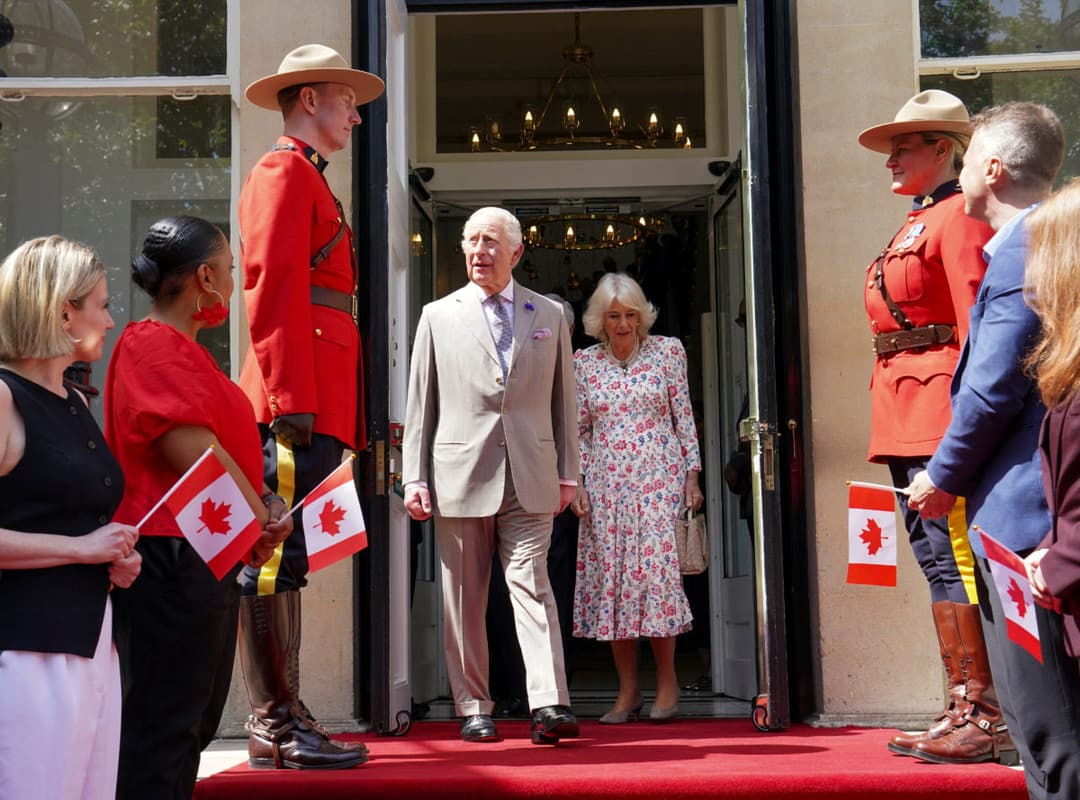
The King and Queen Camilla arrived to a warm and spirited welcome in the capital on Monday afternoon, greeted at Ottawa airport by Prime Minister Mark Carney and a diverse delegation that included schoolchildren from both English and French-speaking regions, along with representatives of First Nations communities.
The arrival marked more than just a diplomatic courtesy—it was a clear statement of intent. Dignitaries and citizens alike viewed it as a calculated, meaningful gesture of solidarity. "Canada feels threatened and scared. It is very important he is here," said Theresa McKnight of Mississauga, Ontario, echoing a sentiment shared by many.
Even before setting foot in Parliament, the King engaged in several symbolic acts designed to celebrate Canadian identity: planting trees under the spring sunshine, receiving jars of locally made maple syrup, and even dropping the ceremonial puck in a spontaneous game of street hockey.
Yet, beneath the warm reception and charming photo ops, the visit carries serious geopolitical implications.
A Nation at a Crossroads
Prime Minister Carney, elected in a resounding victory earlier this year on a platform centered around protecting Canada’s autonomy, extended the formal invitation to the King to deliver the historic Speech from the Throne—the first time a monarch has done so in nearly 50 years.
For Carney, a former central banker and now the steward of a politically energized and globally conscious Canada, the moment represents a chance to reassert Canada’s constitutional identity and reinforce the relevance of its monarchy in the 21st century.
“We are a country shaped by democratic resilience, historic alliances, and a deep sense of who we are—not who others want us to be,” Carney said ahead of the address. “Our constitutional monarchy is not an antiquated relic—it is a symbol of sovereignty that crises only fortify.”
The Speech: A Message for the World
While the exact contents of the King’s speech remain under wraps, government insiders suggest that it has been carefully crafted with the Canadian government’s full input and approval. It is expected to walk a delicate but determined diplomatic line—addressing U.S. interference without directly antagonizing President Trump or the United States as a whole.
The speech will be delivered in both French and English, reflecting Canada’s bilingual heritage and its inclusive vision of national identity. Sources say the address will reaffirm that Canada is “not for sale”—a direct rebuke to recent rhetoric from Trump, who has made claims that reignited old fears of American annexation or influence.
More broadly, the King’s remarks are likely to emphasize the enduring importance of the Commonwealth, Canada's unique geopolitical identity, and the monarchy’s nonpartisan role as a stabilizing force in turbulent times.
According to Buckingham Palace aides, the King sees the speech not just as a constitutional duty but as a moment of personal conviction. Though traditionally expected to remain politically neutral, he is fully aware of his symbolic power as Canada’s head of state.
Diplomacy in a Divided World
The situation places the King in a delicate position: while he represents Canada’s constitutional monarch, he is also the head of state of the United Kingdom, where he has previously maintained cordial diplomatic relations with President Trump, including inviting him for a state visit.
Balancing both roles—Canada’s sovereign protector and Britain’s global diplomat—requires a deft touch and measured words.
A senior official at Rideau Hall, speaking on background, noted: “This speech is about Canada, for Canadians. The King understands the gravity of this moment and the strength it takes to speak not just to history, but to the future.”
Tuesday’s speech will be a defining moment in the King's reign and a touchstone in Canada’s evolving relationship with the Crown, one that has seen shifting attitudes in recent decades. Debates over republicanism and the monarchy’s relevance have intensified, especially among younger Canadians and Indigenous communities.
Indigenous Reconciliation: A Continued Focus
King Charles’s schedule in Ottawa also included meetings with Indigenous leaders, including Cindy Woodhouse, the national chief of the Assembly of First Nations. These meetings are part of the Crown’s ongoing efforts to foster reconciliation and acknowledge the painful legacy of colonialism, including the residential school system.
In recent years, the monarchy has taken steps—albeit cautiously—to rebuild trust with First Nations peoples. The King’s respectful engagement with Indigenous leaders on this visit suggests a continued commitment to meaningful dialogue and partnership.
Public Reactions: A Nation Reassured
The atmosphere in Ottawa has been one of solemn pride and cautious optimism. For many Canadians, the royal visit is not just ceremonial but deeply reassuring.
"It's critical. It means a great deal to have the King standing side by side with Canadians," said Dianne St. Louis, visiting from outside Toronto. Her words echoed across the crowd that gathered at Rideau Hall and the Parliament buildings, where people waved flags, sang national anthems, and eagerly awaited the next chapter in a shared story of nationhood.
As one bystander aptly put it: “Sovereignty is important—and he is the epitome of that.”
Conclusion: A Crown in Service of a Nation
Tuesday’s speech is more than a political event—it is a statement of Canadian resolve, unity, and purpose at a time of rising global instability. In lending his voice to the defense of Canadian sovereignty, King Charles III is fulfilling one of the core responsibilities of constitutional monarchy: to stand firm when the values of a nation are under pressure.
Whether the King’s presence will alter public attitudes toward the Crown remains to be seen. But one thing is certain: his message will echo far beyond the chamber of Parliament, reminding the world that Canada—proud, independent, and united—does not waver in the face of foreign pressure.