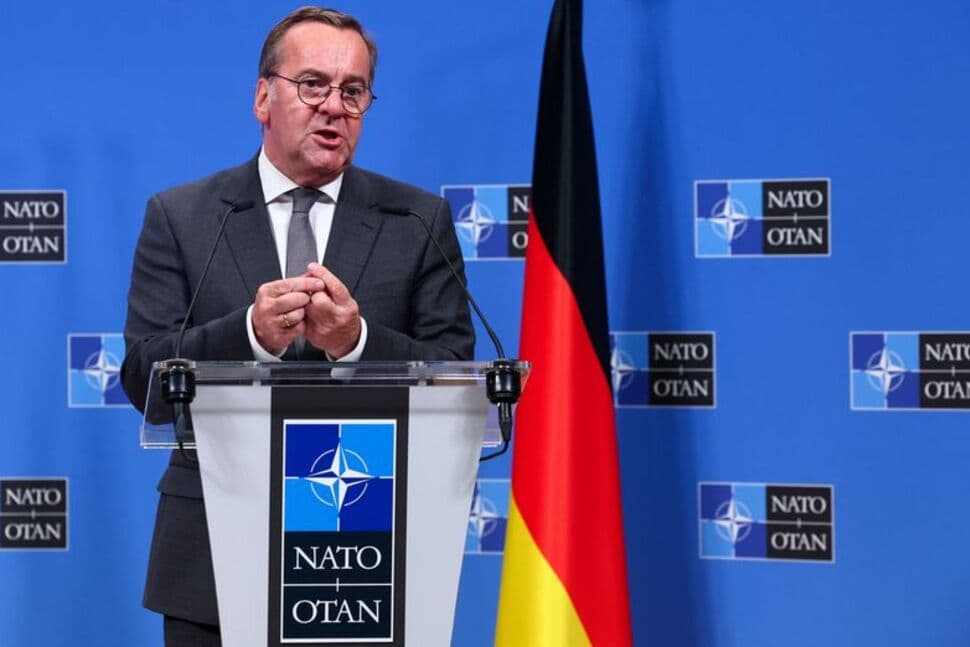
Germany's defense landscape is set for its most dramatic transformation since reunification, as the country confronts the stark reality of needing to recruit and deploy between 50,000 to 60,000 additional active-duty troops to meet new NATO capability targets. The announcement by Defense Minister Boris Pistorius ahead of crucial alliance meetings in Brussels underscores how fundamentally the war in Ukraine has reshaped European security calculations and forced Germany to abandon decades of military restraint.This unprecedented expansion represents more than just numbers on a spreadsheet—it signals Germany's reluctant but decisive break from its post-World War II tradition of military minimalism. For a nation that has spent nearly eight decades carefully calibrating its defense posture to avoid accusations of militarism, the scale of this proposed buildup marks a watershed moment in both German domestic policy and European security architecture.
The New Strategic Reality
The troop increase demand emerges from NATO's comprehensive reassessment of defense requirements in the face of what alliance officials now openly acknowledge as the most serious threat to European security since the Cold War. Pistorius's stark declaration that NATO must explicitly identify Russia as its "greatest threat" in upcoming summit declarations reflects how dramatically the strategic landscape has shifted since February 2022.Germany's current active military personnel strength hovers around 185,000 troops across all services, making the proposed increase of 50,000 to 60,000 personnel a roughly 30% expansion of the armed forces. This would represent the largest peacetime military buildup in German history, surpassing even the substantial increases that accompanied NATO membership in 1955 and the integration of East German forces after reunification.The timing of this announcement is particularly significant, coming as NATO prepares to finalize new regional defense plans that assign specific responsibilities to member nations for defending particular geographic areas. These plans, developed in response to Russia's full-scale invasion of Ukraine, represent the alliance's most comprehensive military strategy since the end of the Cold War.
Historical Context and Constitutional Considerations
Germany's approach to military affairs has been fundamentally shaped by the catastrophic legacy of two world wars and the subsequent division of the country during the Cold War. The Bundeswehr, established in 1955, was deliberately designed as a defensive force with constitutional limitations that restricted its deployment and emphasized its role as a citizen army rather than a professional military machine.The proposed expansion challenges these traditional constraints in multiple ways. Not only would it require significant constitutional and legal adjustments, but it would also demand a fundamental shift in German society's relationship with military service. The country abolished conscription in 2011, transitioning to an all-volunteer force that has struggled with recruitment challenges common across Western militaries.The constitutional implications extend beyond mere troop numbers. Germany's Basic Law includes specific provisions limiting military deployment and requiring extensive parliamentary oversight of defense operations. A military expansion of this magnitude would likely necessitate broader discussions about updating these constitutional frameworks to reflect contemporary security realities.
The Resource Challenge
Recruiting and training 50,000 to 60,000 additional troops represents a logistical and financial challenge of extraordinary proportions. Germany's defense budget, while recently increased to meet NATO's 2% of GDP target, would require further substantial expansion to accommodate not just additional personnel costs but also the equipment, housing, training facilities, and support infrastructure necessary for such a large force increase.Current estimates suggest that each additional soldier costs approximately €100,000 annually when accounting for salary, equipment, training, and support costs. This would translate to an additional €5-6 billion in annual defense spending, representing a significant portion of Germany's current defense budget of approximately €50 billion.The recruitment challenge is equally daunting in a country where military service lacks the cultural appeal found in nations with stronger martial traditions. Germany's aging population and competitive civilian job market make military recruitment particularly challenging, potentially requiring substantial incentive packages and career development programs to attract sufficient volunteers.
Geopolitical Implications
Germany's military expansion plans must be understood within the broader context of NATO's collective response to Russian aggression. The alliance has moved decisively away from the cooperative security framework that characterized the post-Cold War period toward a more traditional deterrence-based approach that requires substantial military capabilities from all members.This shift places Germany in a uniquely complex position. As Europe's largest economy and most populous country, Germany has long been expected to shoulder greater responsibility for continental security. However, its historical reluctance to project military power has created a persistent gap between its economic influence and military contributions to alliance security.The proposed troop increases would help address longstanding complaints from alliance partners, particularly the United States, about burden-sharing within NATO. American officials have consistently argued that European allies must take greater responsibility for their own defense, and Germany's military expansion would represent a significant step in that direction.
Domestic Political Challenges
The announcement comes at a time when German politics is experiencing significant upheaval, with coalition governments facing pressure on multiple fronts from economic challenges to immigration concerns. Military expansion, while supported by security imperatives, faces potential resistance from political parties and constituencies that have traditionally favored social spending over defense investments.The Social Democratic Party (SPD), traditionally skeptical of military expansion, finds itself in the awkward position of supporting increased defense spending while maintaining its commitment to social programs. The Green Party, now a mainstream political force, has evolved from its pacifist origins but still faces internal tensions over military buildup.Public opinion polling suggests Germans remain ambivalent about increased military spending and troop levels, despite growing awareness of security threats. The challenge for political leaders will be building sustained public support for what amounts to a generational commitment to higher defense spending and military preparedness.
Timeline and Implementation
The scale of the proposed expansion means implementation would necessarily occur over several years, requiring careful planning and phased recruitment. Military experts suggest that building the necessary training infrastructure and recruitment pipelines could take three to five years, with full implementation possibly extending into the early 2030s.This timeline aligns with NATO's broader strategic planning, which anticipates that the current European security crisis may persist for years rather than months. The alliance's new defense plans are explicitly designed for long-term implementation, recognizing that rebuilding deterrent capabilities after decades of post-Cold War reductions cannot be accomplished quickly.
Looking Forward
Germany's military expansion plans represent more than a response to immediate security threats—they signal a fundamental reorientation of the country's role in European and global affairs. The transformation from reluctant military participant to active security provider marks the end of an era in German foreign policy and the beginning of a new chapter in European security architecture.The success or failure of this military buildup will have implications far beyond Germany's borders, potentially influencing how other NATO allies approach their own defense responsibilities and shaping the alliance's effectiveness in deterring future aggression. For Germany, the challenge lies not just in recruiting additional troops but in successfully managing the domestic and international implications of becoming a more prominent military power in Europe once again.